
AI-Guided Rapid Response "Reduces Mortality"
But what do these interventions actually *do*?
This article highlights a lovely combination of two things of specious nature: rapid response teams and mortality prediction models.
Rapid response teams – and even disease-specific response teams (pulmonary embolism response teams!) – have become generally ubiquitous over the past decades. The evidence supporting their benefit is not nearly as strong as proponents would suggest, consisting primarily of observational and uncontrolled before-and-after observations – and harms and costs are rarely mentioned.
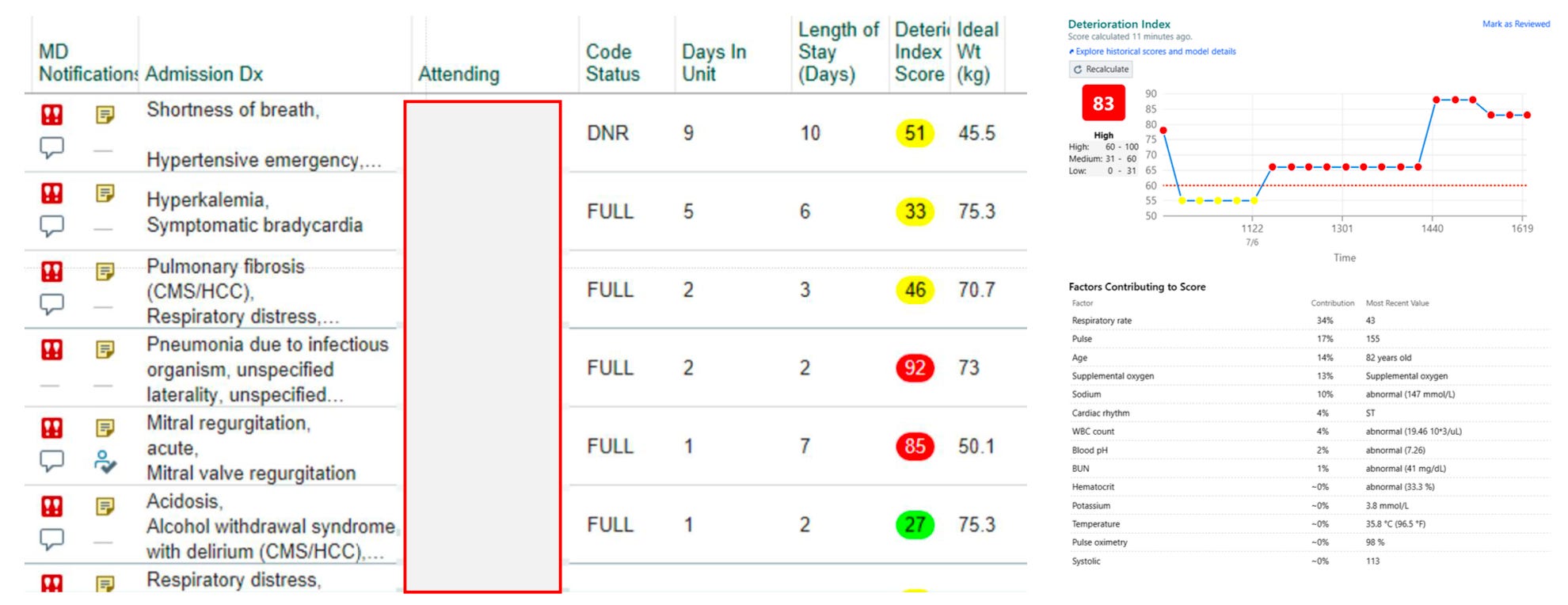
So, let’s pair an RRT notification alert with an equally-suspicious early-warning score, the Epic Deterioration Index –
– and watch the mortality go down:
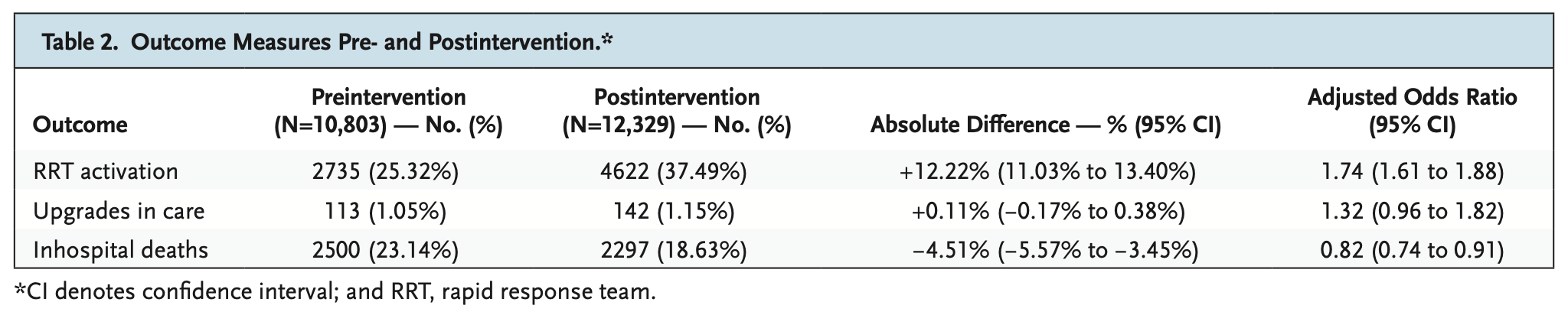
I have two major questions to address here:
First, the magnitude of the effect size is implausible. A 4.5% absolute (~14% adjusted relative) reduction in mortality is profound. This article is describing an intervention resulting in hundreds more of the highest-risk patients making it out of their hospitals. A mere 12% absolute increase in assessments means the excess RRT activations saved, effectively, 1 in 3 of the additional patients they were called upon – or else there are other factors at play unrelated to the intervention. The medical literature is littered with similarly optimistic findings that haven’t nearly panned out, particularly this type of before-and-after observational intervention.
Furthermore, there are massive holes in the causal chain. An alert itself is not a life-saving intervention. An RRT activation is not a life-saving intervention. Mortality reductions result from specific changes in patient management. This article does not describe how patients’ trajectories were altered to avoid these (apparently) preventable deaths. The implication here is these assessments must have clarified a missed diagnosis, profoundly altered treatment, and elicited a dramatic response with the new approach.
In a world where early warning systems and RRT systems each have weak supporting evidence, there is not much reason to give these findings substantial weight at all.