
How Much Does Noise Degrade An Ambient Scribe?
With objective evidence children are indeed awful.
This is a fun little in vitro study of ambient scribes relevant, primarily, to the emergency department: how much does adverse noise pollution degrade the quality of clinical summaries?
These authors took a base audio file and used it to generate a “ground truth” clinical summary using a commercial ambient AI scribe. Then, they introduced several types of input degradation: 1) moving the microphone further from the audio source, 2) playing other types of audio such as rain, baby, construction, and toddler.
The impact of moving the microphone depended on the quality of the equipment, but basic computer built-in versions could start losing information by 2 meters. As for the other types of noise pollution, here are their results, stratified by sound level and impact on different types of error:
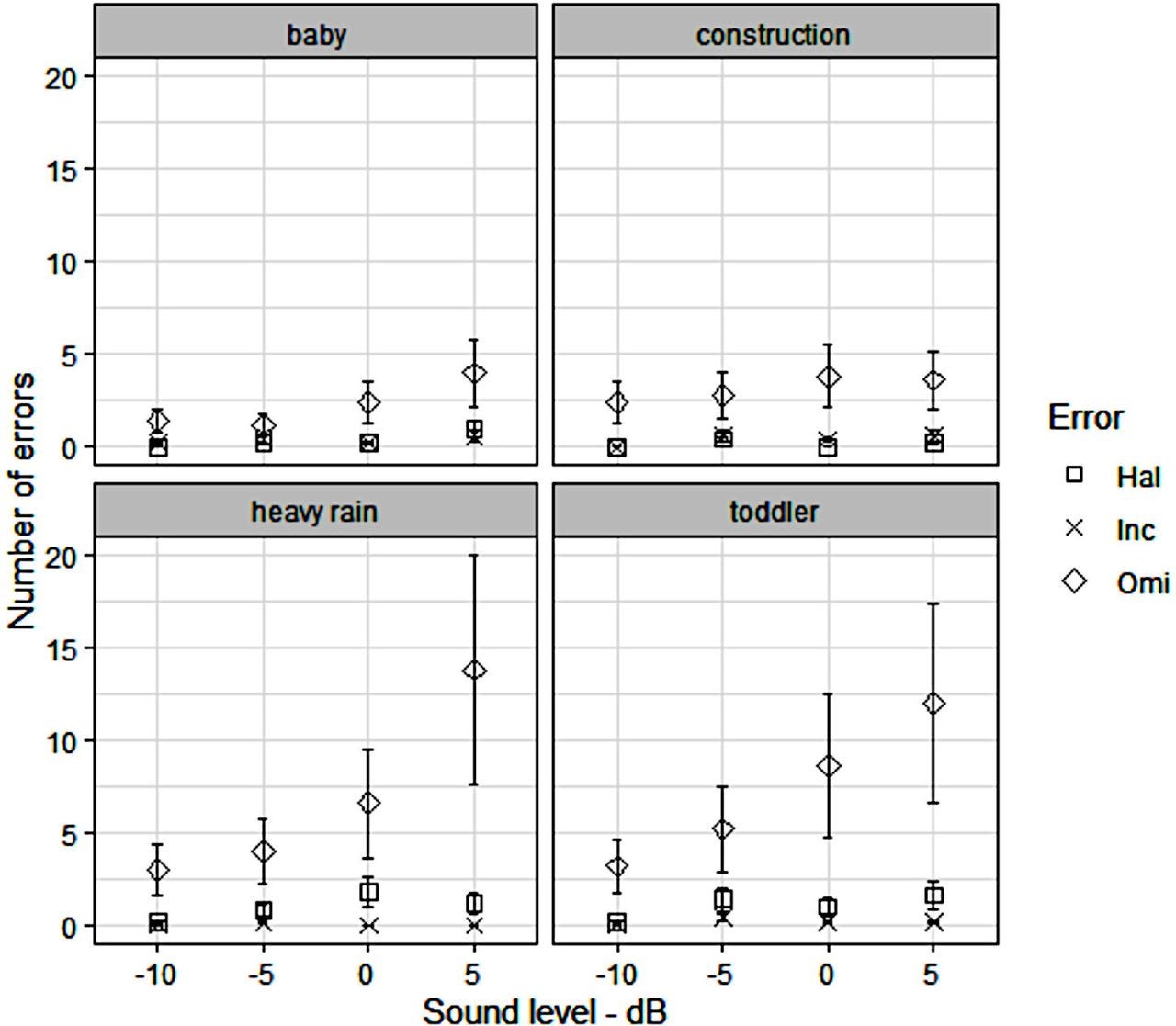
The typical impact is omission rather than hallucination – content simply no longer passes through the transcription engine. Heavy rain (“pink noise”) does an excellent job of obscuring transcription, while the nonsensical babbling of a toddler likewise sowed confusion.
The authors do note it is unlikely outdoor environmental volume would reach the thresholds seen in this experiment, but the baby and toddler could easily be as disruptive as the simulation in this study. The main lesson here is probably to have a higher index of suspicion for omissions depending on the consultation context.