
The "Benefit" To Admitting Syncope
Just about none! But not none!
This is a very simple descriptive study looking obliquely at the question: “is there ever any benefit to admitting a patient following a syncopal event?”
And the answer is resoundingly “yes!” For “serious adverse outcomes”, a non-trivial portion of 30-day events were captured in the index admission for those whom physicians deemed worthy of admission:
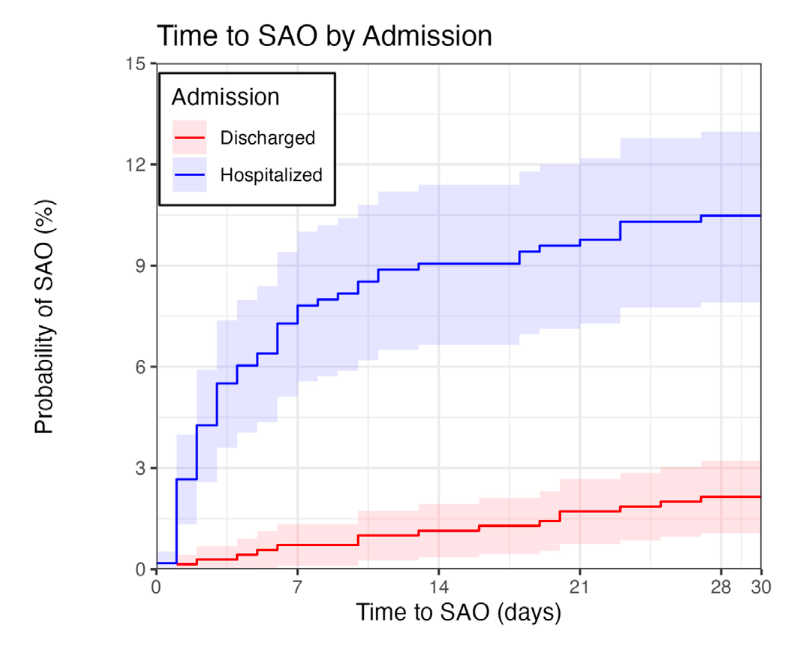
However, “serious adverse outcomes” is a large catch-all bucket of diagnoses inclusive of cardiac, vascular, and infectious etiologies – and these sorts of look-back analyses cannot tease out the confounding features of individual patients and the reasons clinicians made decisions for admission versus discharge. The authors compound this limitation by presenting propensity score-based analyses indicating a “protective” effect of admission towards earlier identification of SAO, but these data can’t support any such clinically applicable conclusion.
In the end, yes – as patients become older, become more comorbid, and show more objective structural and electrical cardiac abnormalities, a presenting symptom of syncope or presyncope is more likely to suggest an addressable condition such as symptomatic arrhythmia or valvular disease. However, no bland risk score nor generic practice pattern will appropriately select patients for admission in what remains an incredibly low-yield hospitalization.